Holidays to Tenerife
Overview
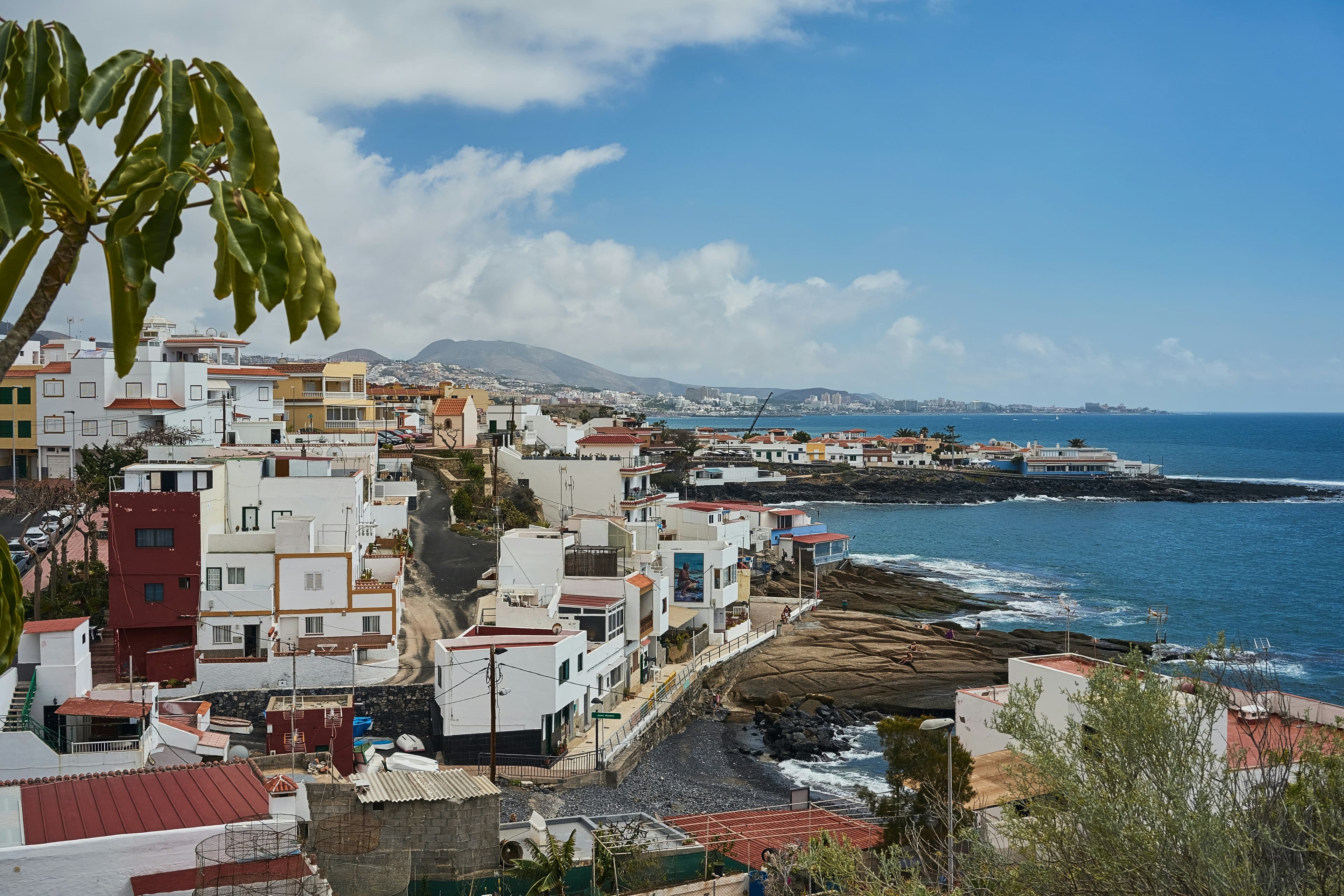
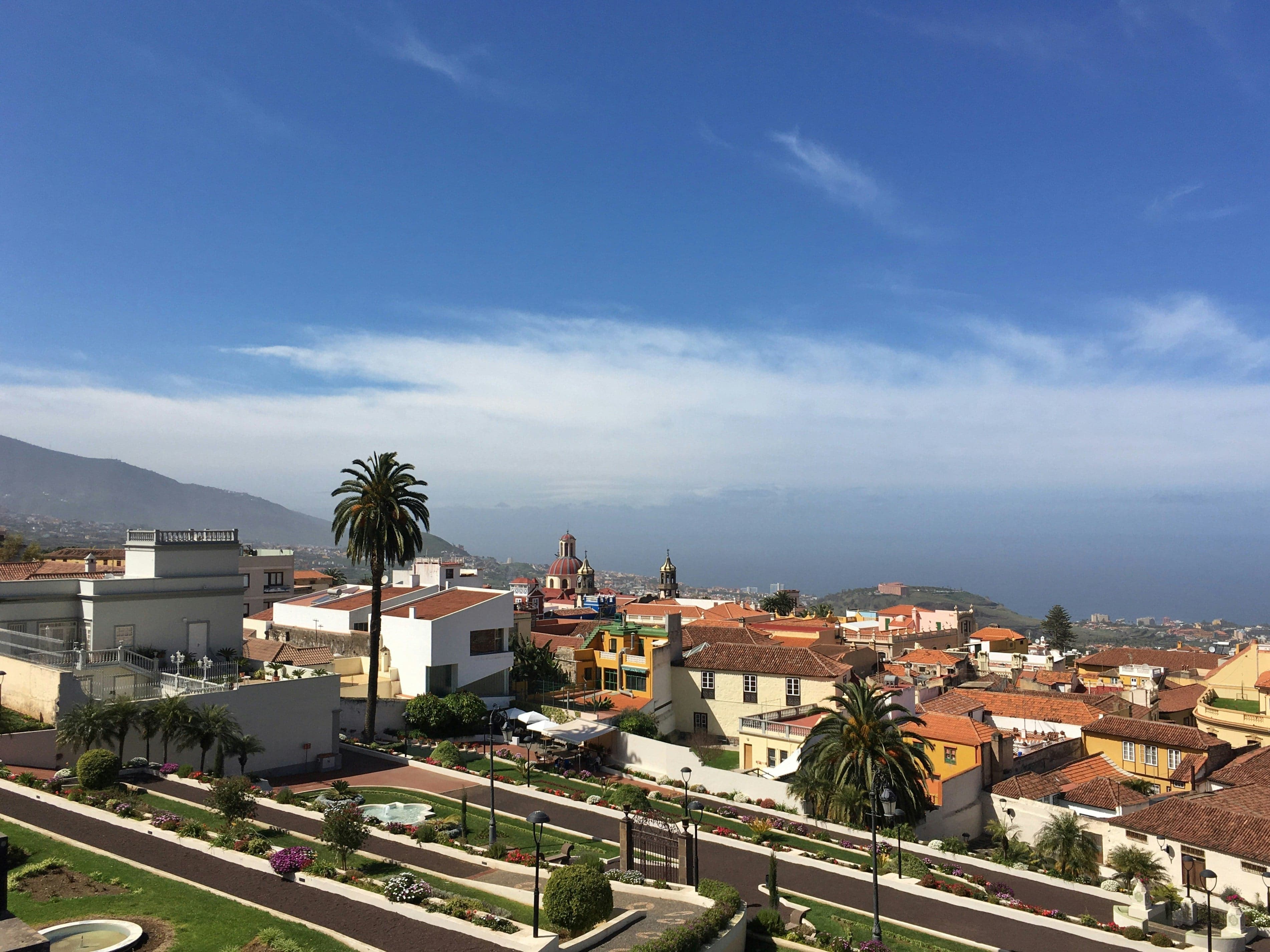
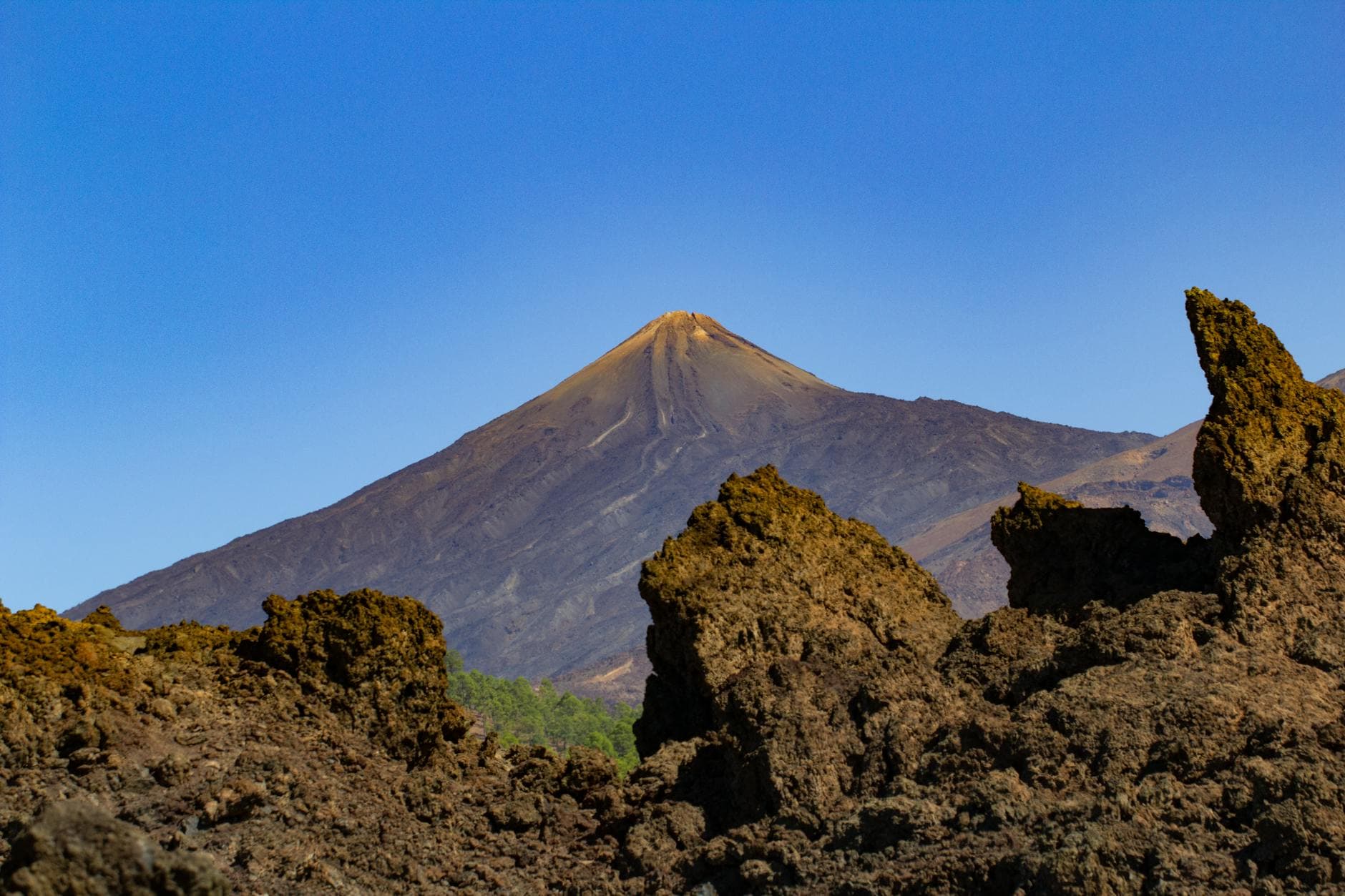
Tenerife is the largest of the Canary Islands and consistently one of Europe's most visited holiday destinations, welcoming over thirteen million visitors a year. Yet despite its popularity, the island manages to feel genuinely diverse: the volcanic moonscapes of Teide National Park, the ancient laurisilva forests of the Anaga Mountains, the sophisticated resort hotels of Costa Adeje, and the authentic cobbled plazas of the historic north all coexist within a single island barely 80 kilometres long. At the island's heart rises Mount Teide, Spain's highest peak at 3,718 metres and a UNESCO World Heritage Site, whose snow-capped summit is visible from many corners of the island and from the sea. Tenerife's resorts cater to every style and budget: Costa Adeje and Los Cristianos offer modern luxury alongside a traditional Canarian feel, while the northern capital, Santa Cruz de Tenerife, provides a sophisticated, characterful alternative to the southern strip.
Beaches & nature
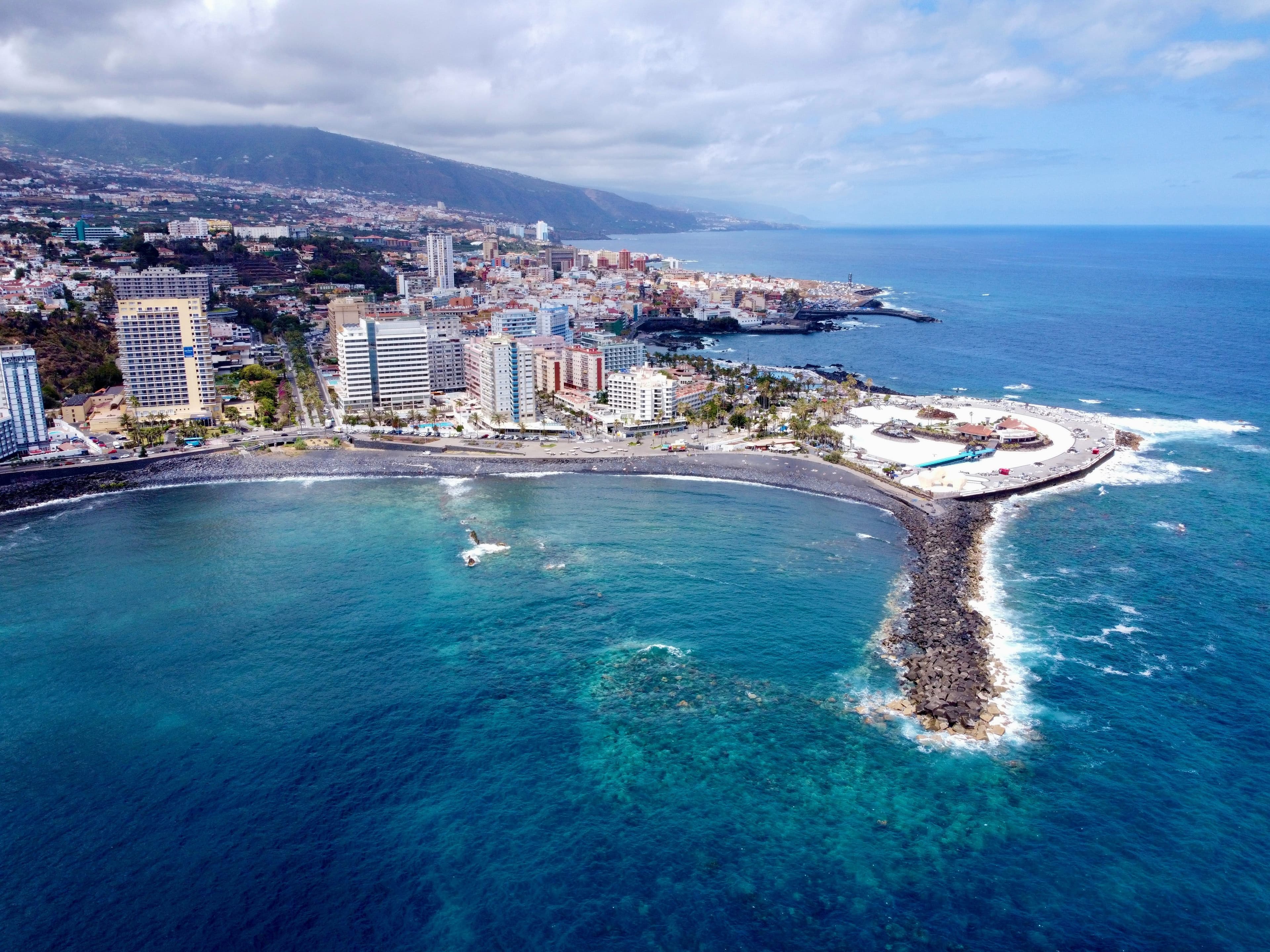
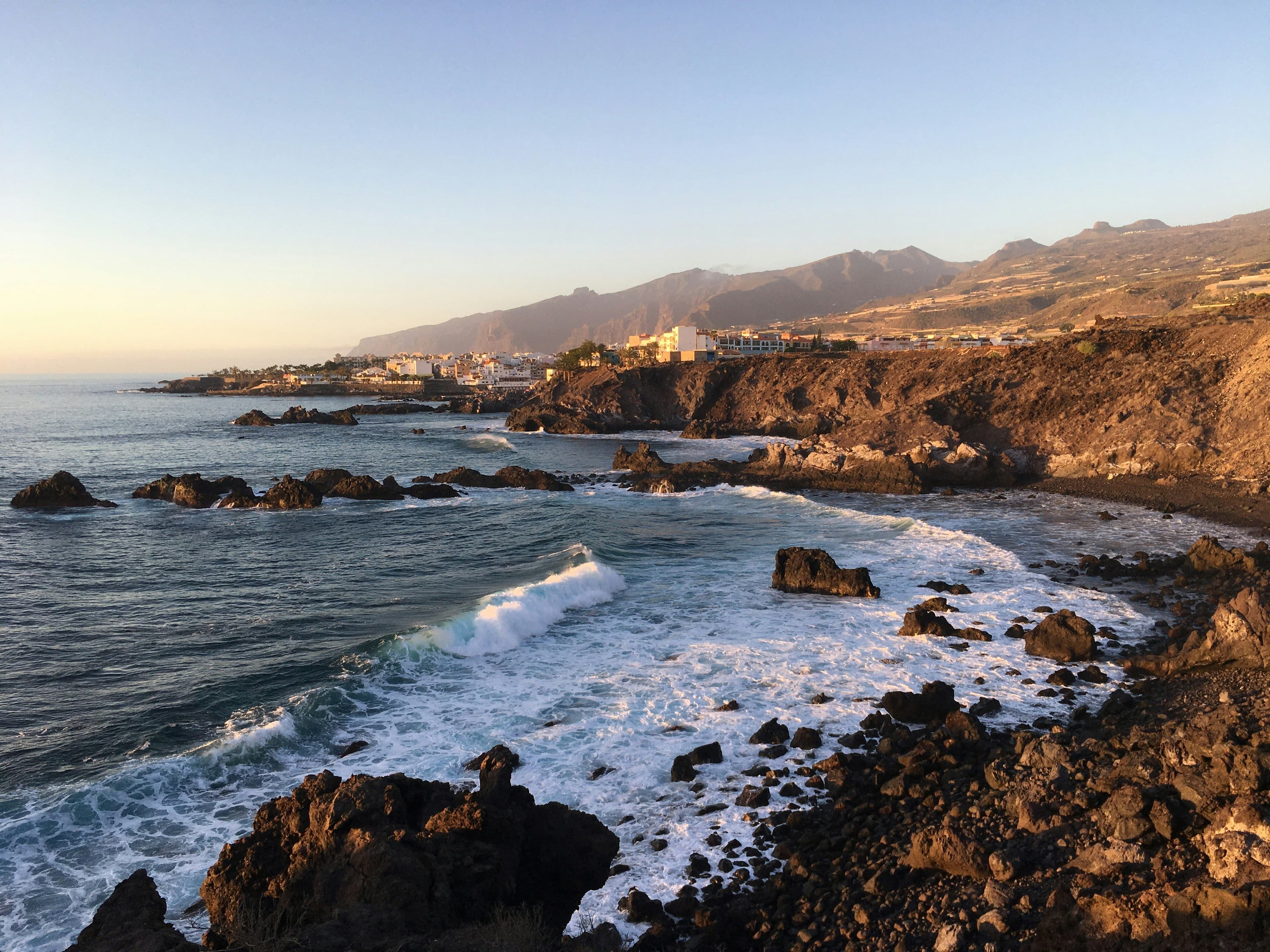
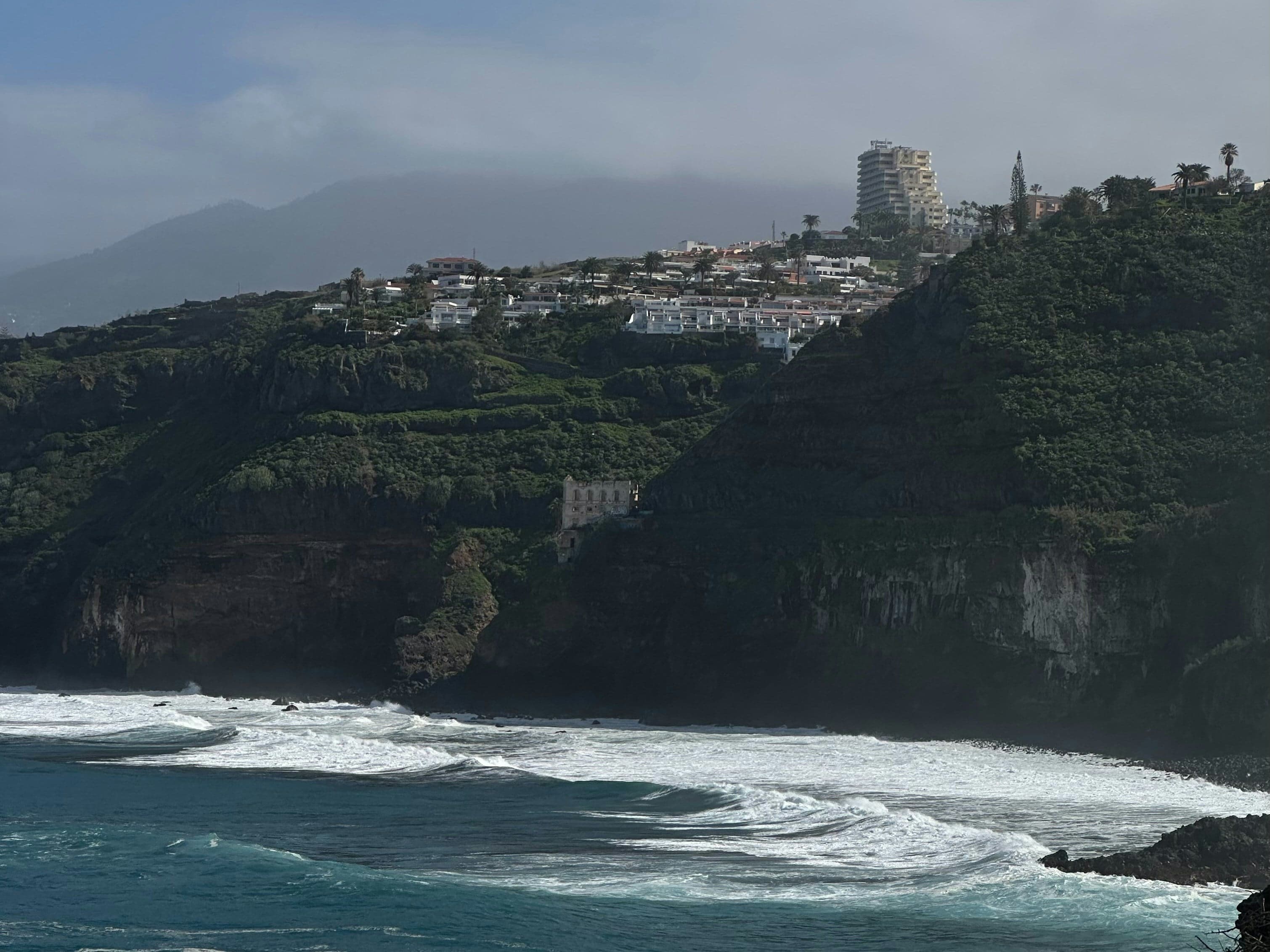
The famous Playa de las Américas and neighbouring Los Cristianos offer long stretches of sand — some natural, some imported from the Sahara — lapped by warm, calm Atlantic waters ideal for swimming and paddleboarding. The contrasting Playa de Las Teresitas, near Santa Cruz, is sheltered by a breakwater and fringed with golden Saharan sand imported in the 1970s, backed by the dramatic Anaga Mountains. El Médano in the southeast is the island's wind and kite-surfing capital, with consistent trade winds and an unspoiled natural beach. Inland, Teide National Park offers a surreal, Mars-like landscape of hardened lava flows, volcanic cones, and rock formations, with a cable car ascending to within 163 metres of the summit. The ancient Anaga Rural Park, a UNESCO Biosphere Reserve, is laced with misty paths through prehistoric laurel forest and leads down to remote, pebbled coves accessible only on foot.
Things to do
Siam Park in Costa Adeje has repeatedly been voted the world's best water park and is a non-negotiable for families. Loro Park in Puerto de la Cruz is equally celebrated for its wildlife shows and extensive collection of parrots, orcas, and gorillas. The island's hiking trails are outstanding: the Teide summit walk, the Masca Gorge descent, and the Anaga coastal paths all rank among the finest in the Canaries. Every February, Tenerife's Carnival — focused on Santa Cruz and Playa de las Américas — is one of the world's great street festivals, rivalling Rio de Janeiro in scale and spectacle. Whale and dolphin watching cruises depart regularly from Los Cristianos, with the channel between Tenerife and La Gomera hosting one of the highest concentrations of resident cetaceans in Europe. Wine lovers should explore the Tacoronte-Acentejo DO in the north, where ancient vine terraces produce distinctive, volcanic-soil reds.
Eating & nightlife
The southern resorts offer everything from traditional Canarian tabernas to international fine dining, with the Guía de Isora and Adeje areas particularly well-served by upmarket restaurants. Canarian staples such as papas arrugadas with mojo, gofio escaldado (a toasted cornmeal broth), fresh seafood, and cochino negro pork are widely available and worth seeking out over the tourist menus. The northern city of La Orotava and Puerto de la Cruz have a gentler culinary scene with excellent local tapas bars and local wine estates offering tastings. After dark, the "Las Veronicas" strip in Playa de las Américas is legendary for its high-energy clubs and bars operating through the night, while the Starco and Patch area in Los Cristianos provides a slightly more relaxed alternative. Santa Cruz has a sophisticated bar scene centred on the Noria and Rambla area, busy every weekend with locals.
Getting around
The TF-1 motorway links the southern resorts to Santa Cruz in about 45 minutes, and the TF-5 connects the capital to the north in a similar time. Public buses (guaguas) are operated by TITSA and cover the entire island, with frequent express services between the main resort areas and Santa Cruz. A modern tram line (tranvía) connects Santa Cruz to La Laguna. Car hire is inexpensive and widely available, and is the best option for exploring the interior and reaching trailheads in the national park. The island's main airport, Tenerife South (TFS), is situated near Los Abrigos and serves the vast majority of international charter and low-cost flights. Tenerife North (TFN) handles inter-island and some mainland Spanish services. Ferry connections link Tenerife to all other Canary Islands, with fast services to Gran Canaria and La Gomera operating several times daily.
When to go
Tenerife's climate is one of its greatest assets — year-round sunshine in the south, with average temperatures ranging from 18 °C in January to 26 °C in August. The north and the interior can be significantly cooler and cloudier, especially in winter. Peak season runs from November to February, when northern European visitors arrive seeking winter sun, making accommodation in the south both busy and expensive. Spring (March to May) is arguably the finest time to visit — temperatures are warm but not oppressive, wildflowers carpet the hillsides, and the hiking trails are in perfect condition. July and August see the beaches at their busiest with Spanish domestic tourists. September and October offer warm seas, thinning crowds, and the beautiful soft light of the Canarian autumn.
Most popular hotels in Tenerife
Our favourite hotels on the island of Tenerife